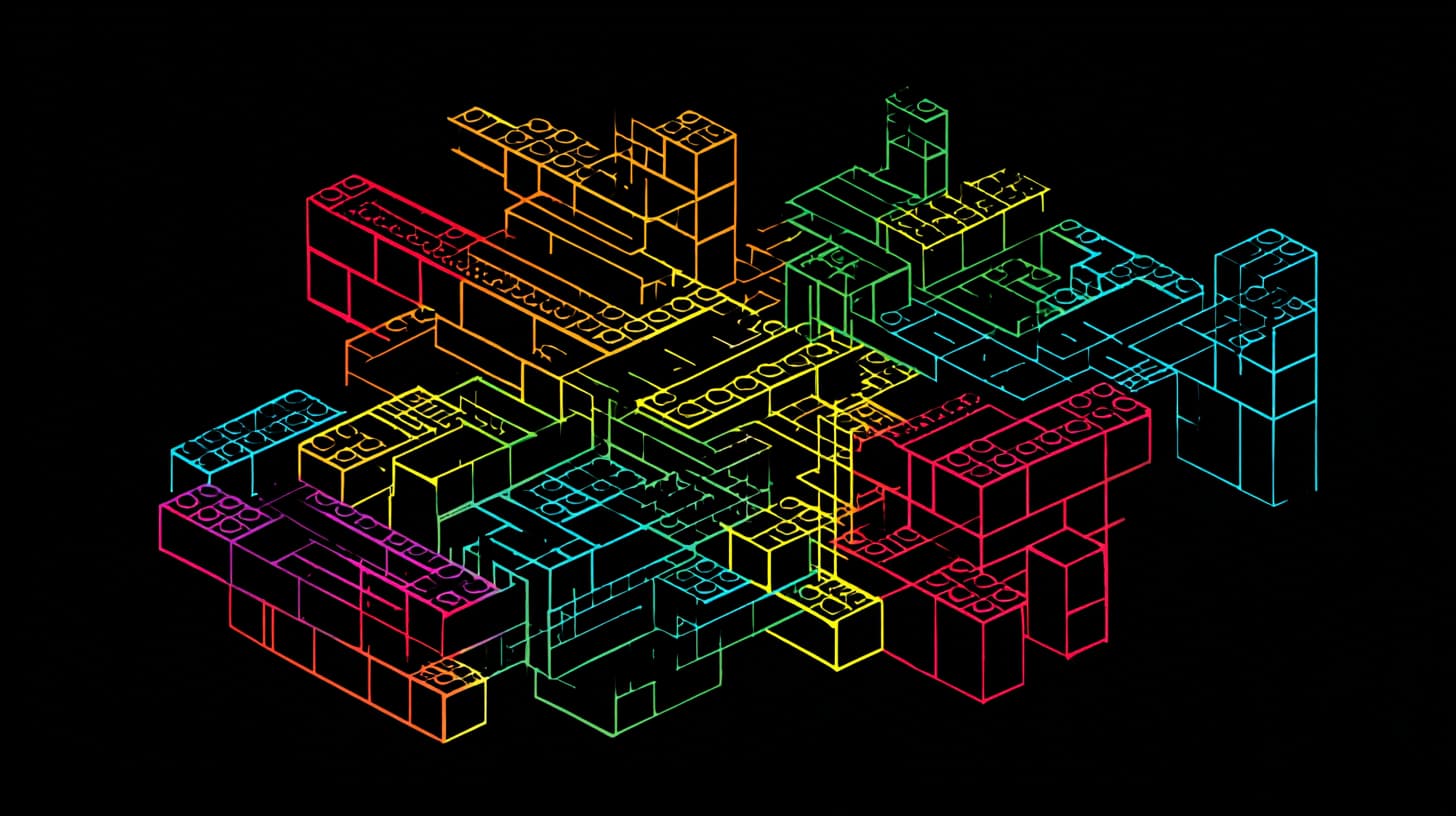
The unFIX Model is a “pattern library” for organizational design. It replaces rigid hierarchies with flexible Crews, Bases, and Forums, distributing leadership through distinct roles like Captains (journey managers) and Chiefs (people managers).
This article was written by Claude based on a deep research report from Gemini and then lightly edited by the administrator. Inaccuracies may exist.
Operation Pattern Library: Infiltrating the Future of Organizational Design
Classification: CONFIDENTIAL
Handler: Agent Operative
Mission: Deep Cover Analysis of the unFIX Model
Mission Brief
Agent, we have a problem. Traditional corporate structures are failing spectacularly, and the enemy—bureaucratic rigidity—is winning. While organizations scramble with outdated frameworks like industrial-era assembly lines, a new intelligence has surfaced from deep cover operations.
Codename: unFIX Model.
This isn’t another rigid framework promising salvation through standardization. Instead, think of it as a pattern library—a collection of tactical blueprints that organizations can mix, match, and deploy based on their specific operational theater. No prescribed playbook. No mandatory protocols. Just adaptable patterns that have been field-tested in the most challenging corporate environments.
Your mission: understand how this model could revolutionize organizational warfare in the 21st century.
Target Profile: The Asset Known as unFIX
Our intelligence indicates that unFIX emerged from the shadows in late 2021, officially launching operations on New Year’s Day 2022. The architect behind this operation? Jurgen Appelo—a veteran organizational strategist who spent twelve years assembling this toolkit from various sources across the intelligence community.
Appelo’s motivation was clear: existing frameworks had become compromised. The Scaled Agile Framework (SAFe) had devolved into bureaucratic matrix management—teams reporting to multiple handlers, creating confusion and inefficiency. Holacracy promised liberation but delivered top-down authoritarianism in disguise. The agile movement, once revolutionary, had calcified into what insiders call the “Agile Industrial Complex.”
unFIX operates differently. The name itself is a coded message: take apart what’s broken, keep what works, and build something better.
Source Network: The Intelligence Behind the Model
Like any sophisticated intelligence operation, unFIX draws from multiple assets:
- Team Topologies: Provided the foundational team structures—Stream-aligned, Enabling, Complicated Subsystem, and Platform teams
- Spotify Engineering Culture: Contributed organizational patterns like squads, tribes, chapters, and guilds (rebranded as Crews, Bases, and Forums)
- Dynamic Reteaming: Supplied the philosophy that team changes are inevitable and should be embraced rather than resisted
- Field Intelligence: Real-world data from innovative companies like Tesla and Haier
This synthesis approach—what Appelo calls “recombinant innovation”—means unFIX isn’t starting from scratch. It’s leveraging proven patterns from successful operations worldwide.
Operational Structure: How the Network Functions
The Cell: Foundation-Level Operations (Crews)
At ground level, unFIX organizes around Crews—small, autonomous units of 3-7 operatives (optimal: 5). These aren’t your typical corporate teams managed by committee. Each Crew operates with full tactical autonomy: they decide their own meetings, processes, documentation, and release schedules.
The model identifies seven crew types, each with specific operational capabilities:
- Value Stream Crews: End-to-end responsibility for delivering customer value—no handovers, no bureaucratic delays
- Facilitation Crews: Specialized units that temporarily embed with other Crews to transfer skills and accelerate capabilities
- Capability Crews: Elite specialists who deploy as needed across multiple operations
- Platform Crews: Infrastructure providers supplying foundational services to other units
- Governance, Experience, and Partnership Crews: Additional specialized units for specific organizational needs
Most organizations primarily deploy Value Stream Crews, but the pattern library allows for custom configurations based on mission requirements.
The Safe House: Mid-Level Command (Bases)
Multiple Crews operate from Bases—cohesive business units housing 10-150 personnel. A Base functions as a self-sufficient operational center with all necessary skills and authority to deliver products independently. Think of it as a complete intelligence station capable of running autonomous missions without external support.
The model defines four Base configurations:
- Fully Integrated: Maximum cooperation and shared resources
- Strongly Aligned: High coordination with some independence
- Loosely Aligned: Minimal coordination, maximum autonomy
- Fully Segregated: Complete operational independence
This scalable architecture means dozens of Bases can coordinate within a League, and multiple Leagues can operate within a Crowd—creating a self-similar structure that works at any organizational scale.
Command Structure: Redefining Leadership
Here’s where unFIX demonstrates true tactical innovation. Instead of eliminating management (a failed strategy in many organizations), it surgically separates two critical functions that traditional hierarchies dangerously combine.
The Captain serves as the primary external contact and mission leader for each Crew. Critical intelligence: Captains have zero authority over personnel decisions—no hiring, firing, promotions, or compensation discussions. They focus entirely on the mission.
The Chiefs form the Base leadership team and hold exclusive authority over personnel matters—recruitment, compensation, career development. They deliberately delegate all operational decisions to Captains.
This separation solves the classic “matrix management” problem that plagues most organizations. Operatives maintain stable reporting relationships with their Chief while freely moving between Crews and missions under different Captains. No conflicting loyalties. No unclear authority chains.
The Chair manages Forums—cross-functional groups where specialists share intelligence and coordinate standards across Crews. Like Captains, Chairs manage the forum process, not the people in it.
Inter-Network Communication: Forums as Intelligence Sharing
Forums operate as the organization’s intelligence network—groups of specialists from different Crews who share common expertise areas. A security expert from Crew Alpha can coordinate with security specialists from Crews Beta and Gamma through a Security Forum, ensuring consistent practices and shared learning without disrupting individual Crew autonomy.
This horizontal intelligence sharing prevents the dangerous information silos that cripple traditional hierarchies.
Field Assessment: Comparing Organizational Models
Our surveillance of competing frameworks reveals interesting tactical differences:
| unFIX Asset | Spotify Equivalent | SAFe/Traditional | Tactical Advantage |
|---|---|---|---|
| Crews | Squads | Agile Teams | Expanded typology + dynamic reteaming capability |
| Bases | Tribes | Programs/Departments | Independent business unit authority |
| Captain | Squad Lead | Project Manager | No personnel authority = pure mission focus |
| Chiefs | Chapter Leads | Traditional Managers | Stable personnel relationships enable fluid operations |
| Forums | Chapters/Guilds | Communities of Practice | Cross-cutting intelligence sharing |
Operational Benefits: Why This Mission Matters
The unFIX pattern library offers several strategic advantages over conventional organizational structures:
Maximum Flexibility: Organizations can deploy exactly the patterns they need without adopting unnecessary bureaucracy. Start small, scale gradually, adapt continuously.
Solving Matrix Management: The Captain/Chief separation eliminates the confusion and conflict that destroys team effectiveness in traditional structures.
Human-Centric Operations: By emphasizing trust, autonomy, and psychological safety, unFIX creates conditions where operatives perform at peak effectiveness.
Bottom-Up Innovation: Instead of top-down mandates, patterns emerge from successful field operations and spread organically.
Anti-Fragile Design: The model expects and embraces change rather than trying to prevent it.
Mission Risks: Potential Compromises
No operation is without risk. Our threat assessment identifies several potential vulnerabilities:
Limited Field Data: unFIX officially launched in 2022, so long-term performance data remains classified. Early adopters are essentially running beta operations.
Cultural Requirements: Success demands a significant mindset shift toward trust and experimentation. Organizations with deeply embedded command-and-control cultures may struggle with infiltration.
Complexity Management: Dynamic team structures require sophisticated tracking systems to maintain operational awareness. Without proper intelligence tools, commanders can lose visibility into organizational health.
Performance Measurement: Traditional metrics become inadequate when teams constantly reconfigure. New assessment methods are required.
Field Reports: Early Deployments
Our intelligence network has identified several successful deployments:
Worldline: The first documented post-launch adoption. This payment processing organization successfully infiltrated unFIX patterns into their existing structure.
Ministry Group, Pipedrive, and Coolblue: These organizations were already operating using unFIX-like patterns before the model was formalized—providing validation that the patterns work in real operational environments.
The pattern here is telling: successful organizations naturally evolve toward unFIX-like structures. The model simply codifies and accelerates this evolution.
Strategic Intelligence: Future Implications
Decentralized Operations
unFIX provides a proven blueprint for organizations seeking to distribute decision-making without descending into chaos. Unlike rigid self-management models that replace one bureaucracy with another, unFIX enables true operational flexibility while maintaining necessary coordination.
Agentic Organizations
The model creates conditions for “agentic” behavior—where individuals and teams operate with purpose and autonomy. The Captain/Chief separation is crucial here: operatives can experiment and take calculated risks within their Crew without jeopardizing their career trajectory, enabling genuine innovation.
AI Integration
As artificial intelligence reshapes the operational landscape, unFIX’s dynamic structure positions organizations to rapidly redeploy human assets toward higher-value work. The pattern-based approach means teams can quickly reconfigure as AI automates routine tasks.
The Evolved Manager
Rather than eliminating management, unFIX strategically repurposes it. Chiefs focus on human development and strategic guidance while Captains handle tactical operations. Both roles remain valuable but serve distinct functions without conflicting authority.
Mission Recommendations: Deployment Strategies
Based on our analysis, successful unFIX infiltration requires:
- Reconnaissance Phase: Start with limited pattern deployment to test organizational readiness and identify cultural resistance.
- Cultural Preparation: Begin shifting mindsets toward trust, transparency, and experimentation before attempting structural changes.
- Infrastructure Development: Implement tracking and visualization systems to maintain operational awareness as structures become more fluid.
- Gradual Expansion: Scale successful patterns organically rather than mandating organization-wide adoption.
- Continuous Intelligence Gathering: Monitor pattern effectiveness and adapt based on field results rather than theoretical assumptions.
Mission Conclusion: The Intelligence Assessment
The unFIX Model represents a significant evolution in organizational warfare. It’s not a framework in the traditional sense—it’s a comprehensive intelligence operation disguised as a pattern library. By synthesizing the best practices from successful organizations worldwide, it provides a tactical advantage for 21st-century operational challenges.
The model’s strength lies not in prescriptive solutions but in adaptive capabilities. Like any good intelligence asset, it provides options rather than orders, patterns rather than processes, and principles rather than procedures.
For organizations tired of bureaucratic frameworks that promise transformation but deliver stagnation, unFIX offers a different path: embrace what works, discard what doesn’t, and maintain the flexibility to adapt as conditions change.
The mission isn’t to implement unFIX perfectly—it’s to use its patterns to build something uniquely effective for your specific operational environment. In the world of organizational design, that might be the most revolutionary intelligence of all.
End of Report
Source References
[1] https://unfix.com/blog/unfix-is-not-a-framework
[2] https://unfix.com/blog/captains-and-chiefs
[3] https://unfix.com/blog/unfix-one-year-later
[4] https://unfix.com/blog/unfix-as-a-pattern-library
[5] https://unfix.com/blog/unfix-principles
[6] https://unfix.com/blog/launching-unfix
[7] https://unfix.com/blog/unfix-case-study-worldline
[8] https://unfix.com/blog/why-i-created-unfix
[9] https://unfix.com/blog/bottom-up-transformation
[10] https://unfix.com/blog/holacracy-vs-unfix
[11] https://unfix.com/blog/twelve-years-in-the-making
[12] https://unfix.com/blog/dynamic-reteaming
[13] https://unfix.com/blog/crews-captains-and-forums
[14] https://unfix.com/blog/seven-crew-types